The Future of the Shelf-Life Stack™
Why Fresh Produce Needs Continuous Microbial Control
Fresh produce is biologically active from harvest through retail. Microbial pressure does not switch on at one stage of the supply chain and disappear at the next.
Yet many of the controls used to address that pressure remain episodic. Treatment occurs at a particular point in time. Sanitation follows a process or schedule. Then the product continues moving through storage, transit, handling, and retail environments where biological activity continues.
That creates a fundamental mismatch.
Continuous risk requires continuous control.
The fresh supply chain has spent decades improving temperature management, packaging, handling, and sanitation. Those foundational controls remain critical. Chorus’ Shelf-Life Stack™ provides a proprietary framework for organizing the interconnected factors that influence fresh performance across the supply chain.
Within that framework, Layers 4–6, Antimicrobial Environment, Automation & Operations, and Evidence & Insights, point to a different control model: more active microbial control, automated response, and measurable visibility over time.
That model is Digital Microbial Control.
Moving Beyond Point-in-Time Microbial Control
Microbial pressure is dynamic.
It changes over time and across environments. Product moves. Doors open. Loads change. Operational conditions shift. A single intervention may address one moment, but it cannot account for everything that happens afterward.
The future of microbial control is therefore more continuous, responsive, automated, and measurable.
That does not simply mean increasing the amount or frequency of treatment. It means changing how microbial pressure is controlled over time.
A continuous model requires the ability to sense what is happening, respond automatically, monitor performance over time, and provide evidence that the control system is operating as intended. Together, those capabilities create a more responsive way to address microbial activity as conditions change.
Defining Digital Microbial Control
Chorus defines Digital Microbial Control as a digitally managed approach to controlling microbial pressure through sensing, automated response, continuous monitoring, and evidence-based visibility.
In the Chorus system, ClO₂ is the antimicrobial chemistry. Digital Microbial Control is the intelligent architecture around it.
The innovation lies in the way sensing, closed-loop control, automation, monitoring, and digital visibility work together to make the chemistry more responsive and measurable over time.
Within the Shelf-Life Stack™ framework, Digital Microbial Control provides the organizing approach for Layers 4–6.
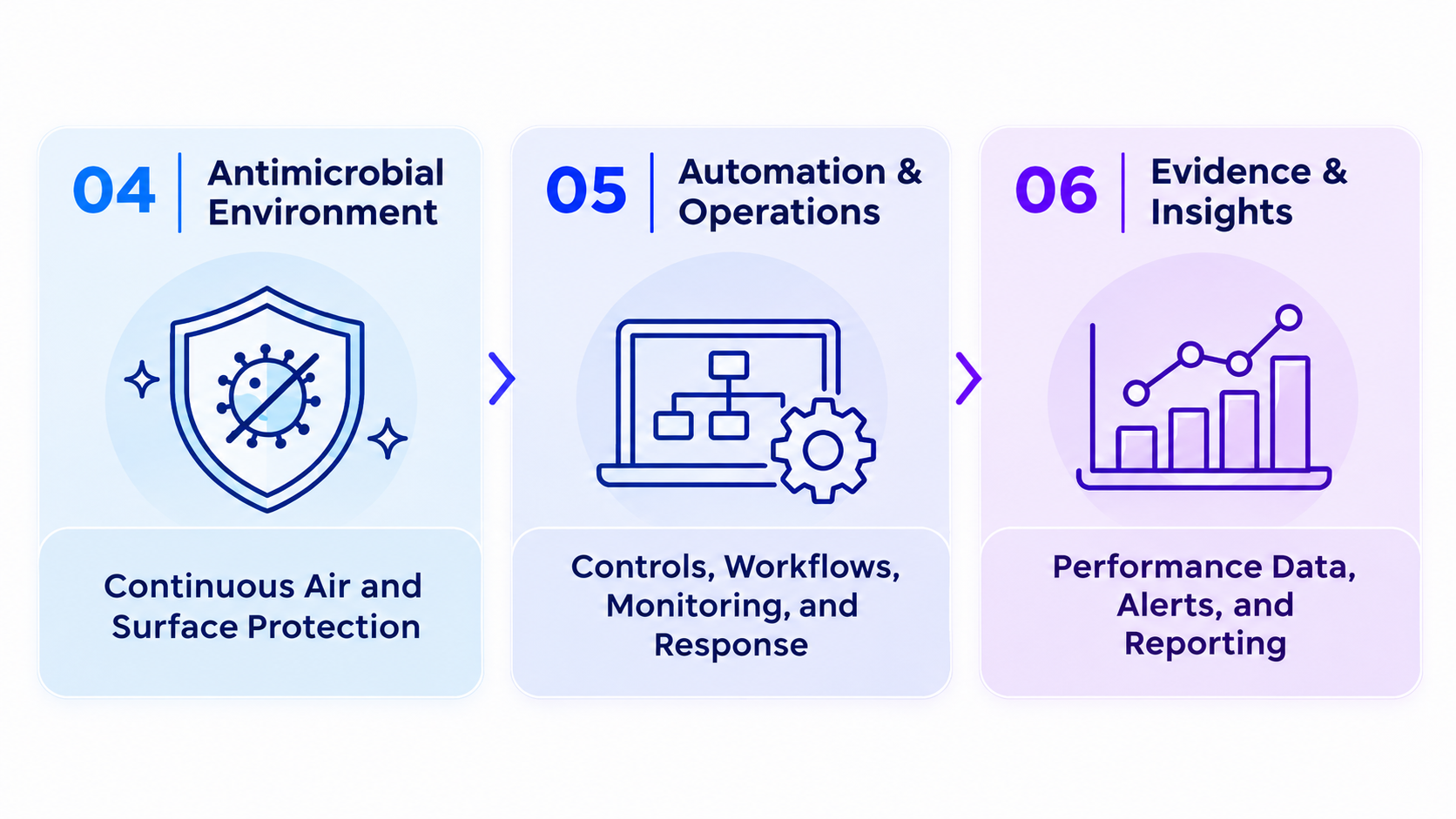
Layer 4: Antimicrobial Environment
Layer 4 introduces the concept of an actively managed antimicrobial environment.
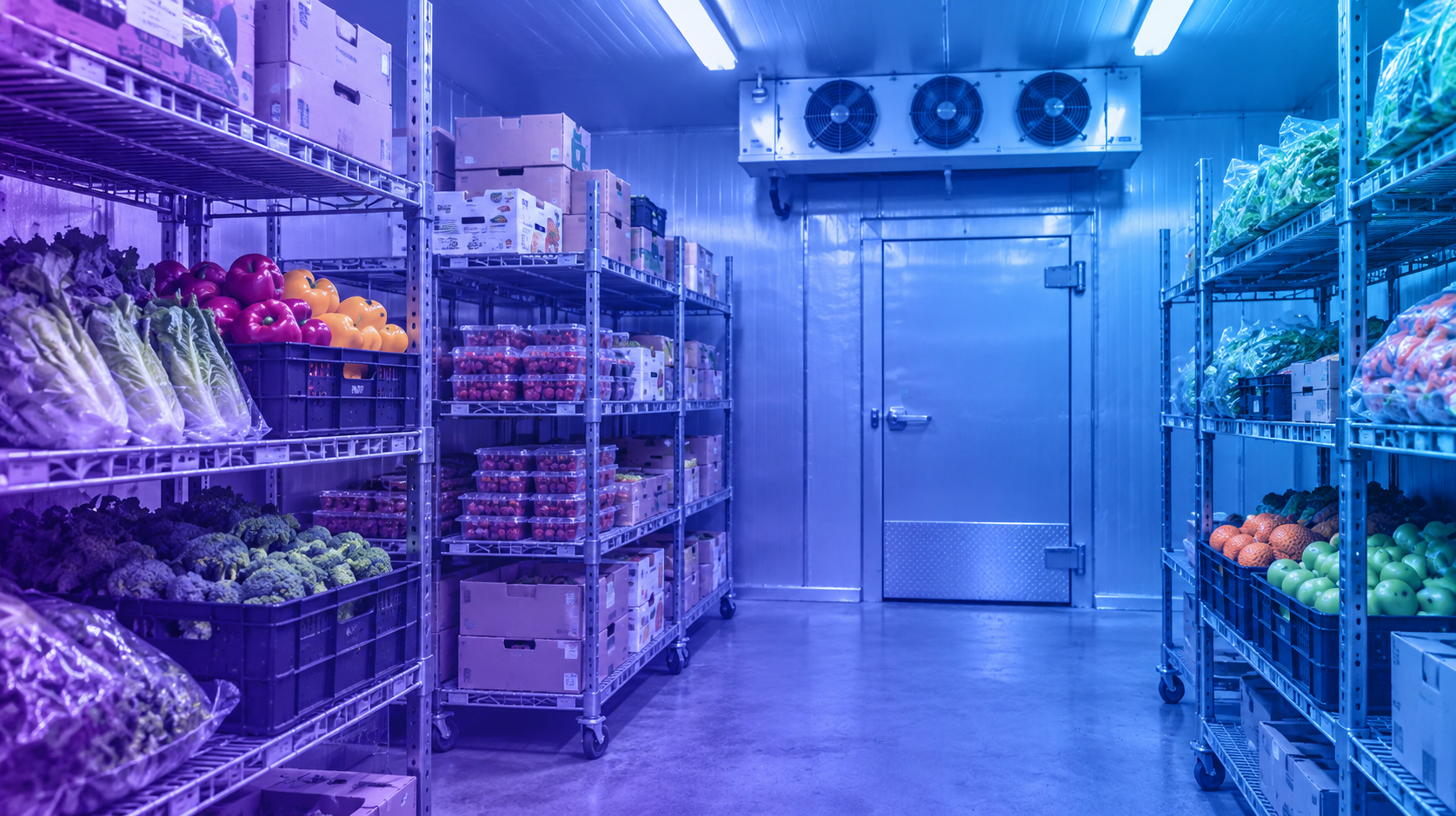
For intended fresh produce applications, the Chorus system is being developed to support continuous microbial control within enclosed environments rather than relying solely on interventions applied at isolated points in time.
Microbial pressure can persist between traditional intervention points. A continuously managed antimicrobial environment creates the opportunity to address that pressure over time rather than only at discrete moments.
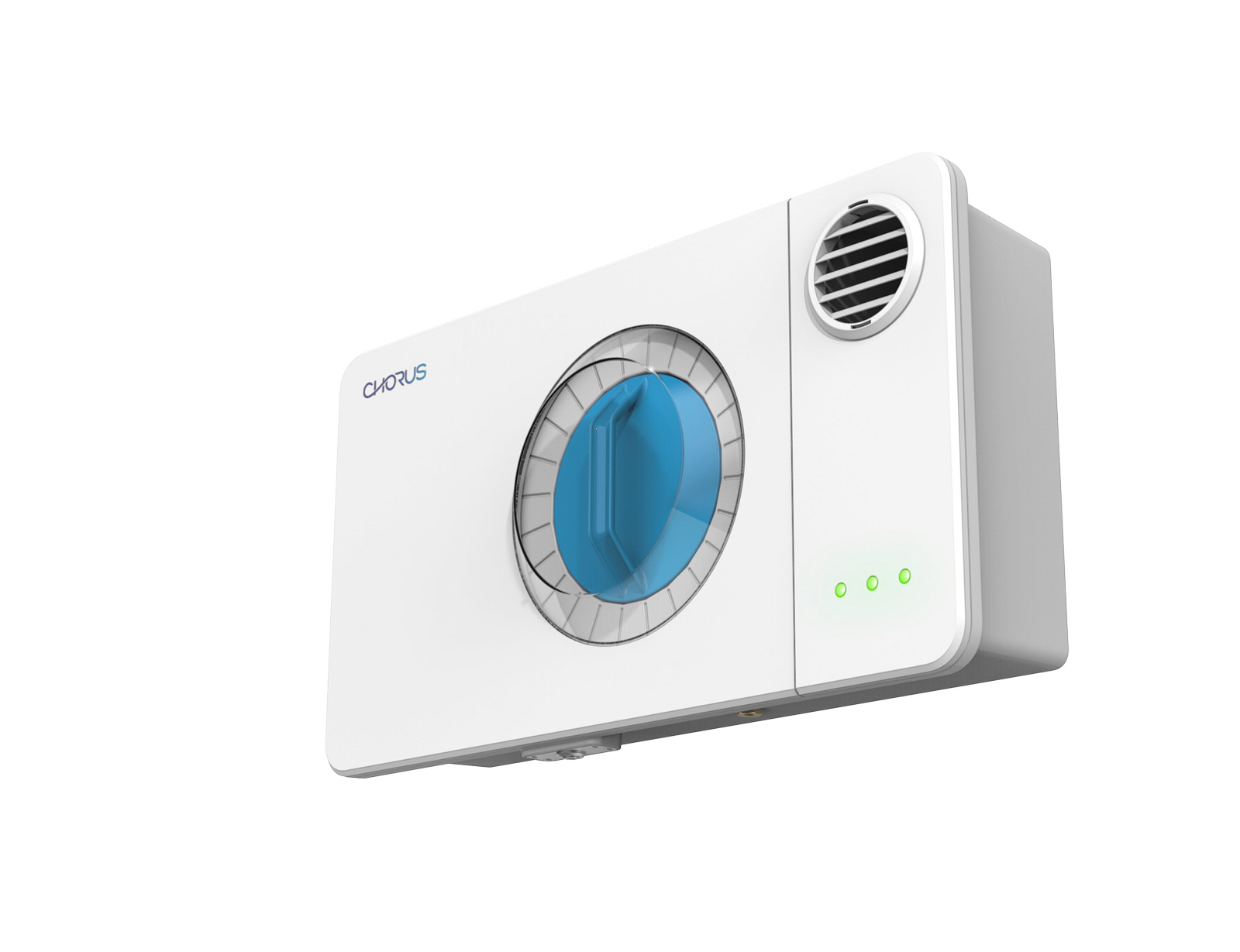
The Chorus system delivers ClO2 in gaseous form within the enclosed environment. Gas-phase delivery is one part of the system architecture. Digital Microbial Control adds sensing, automation, closed-loop response, and visibility around that chemistry.
Layer 5: Automation & Operations
Continuous microbial control only becomes practical if the system can respond as conditions change.
The Chorus system is being built around closed-loop sensing and response. The system measures conditions, uses those inputs to adjust operation, and is intended to maintain target operating conditions without requiring constant manual chemistry management.
This is what separates an antimicrobial generator from an intelligent antimicrobial system.
Without sensing, operators are still responsible for understanding what is happening and deciding when or how to respond. Closed-loop control connects measurement directly to automated action, allowing the system to adjust its operation as conditions change.
Continuous control only works if it can be sensed, adjusted, and managed.
Layer 6: Evidence & Insights
The word digital should mean more than automation. It should also mean visibility.
Layer 6 brings performance data, monitoring, notifications, reporting, and evidence over time into the control model. The Chorus system is being developed to give operators visibility into both the antimicrobial environment and the performance of the system controlling it.
A point-in-time treatment can tell you that an intervention occurred. A digitally managed system creates the opportunity to understand what happened afterward, how the system responded, and whether intended control conditions were maintained.
If you cannot measure the control layer, you cannot really manage it.
Evidence-based visibility makes microbial control more measurable and accountable. It also creates a record of system performance that can support more informed operational decisions over time.
Protection, Control, and Evidence
Together, Layers 4–6 define what makes Digital Microbial Control different.
Antimicrobial Environment provides the protection layer. Automation & Operations provides the control layer. Evidence & Insights provides the visibility and evidence layer.
Digital Microbial Control brings those three capabilities into one integrated system.
What differentiates the Chorus system goes beyond ClO₂ chemistry itself. Chorus is developing the digital architecture intended to make its use more continuous, controlled, automated, and measurable within enclosed fresh produce environments.
A Stronger Model with the Shelf-Life Stack™
The Shelf-Life Stack™ is Chorus’ framework for understanding how interconnected factors influence fresh performance across the supply chain.
Layers 1–3 remain essential. Produce Biology, Packaging & Surfaces, and Cold Chain Microclimate establish the foundation, but retailers cannot perfectly control every variable that moves through those layers.
Layers 4–6 show where more active microbial control, automation, and evidence-based visibility can be introduced downstream.
Digital Microbial Control brings those capabilities together in a more responsive and measurable control model.
That is the broader opportunity within the Stack: not perfect control over every variable, but greater control and visibility where intervention is possible.
Microbial pressure is continuous. The control model should be capable of responding the same way.
Continuous risk requires continuous control.